
Pakistan’s ‘History’ on Rawalpindi’s Flat Pitch: The Scorecard That Was Never Quoted
**মূল উত্তর:** পাকিস্তান ২০২৬ চক্রে রাওয়ালপিন্ডিতে শ্রীলঙ্কার বিরুদ্ধে একটি টি-টোয়েন্টি ম্যাচে জয় পেয়েছে, যেখানে বাবর আজম, শাহিন আফ্রিদি ও মোহাম্মদ রিজওয়ান ছাড়া নতুন দল খেলেছে; তবে ‘ইতিহাস’ বলতে ঠিক কোন রেকর্ড ভাঙা হয়েছে, সোর্সে তা উল্লেখ নেই। **মূল তথ্য:** - ম্যাচ: পাকিস্তান বনাম শ্রীলঙ্কা, টি-টোয়েন্টি International, রাওয়ালপিন্ডির পিন্ডি Stadiumে, পাকিস্তানের ঘরের মাঠে। - অনুপস্থিত: বাবর আজম, শাহিন আফ্রিদি ও মোহাম্মদ রিজওয়ান — কারণ সোর্সে বলা হয়নি। - অধিনায়ক সহিবজাদা ফারহান দাবি করেছেন দল ১৫০-এর বেশি স্ট্রাইক রেটে ব্যাট করছে এবং লক্ষ্য ২০০-র বেশি। - ভাঙা রেকর্ডের বিবরণ, স্কোরকার্ড বা ব্যক্তিগত Statistics সোর্সে অনুপস্থিত। - আইসিসি চ্যানেলের শিরোনাম ‘ইতিহাস তৈরি করল’, তবে কোনো স্বতন্ত্র কণ্ঠস্বর নেই। **সোর্স:** আইসিসি (ICC) সরকারি চ্যানেল, ম্যাচ রিপোর্ট | প্রকাশের তারিখ: সোর্সে উল্লেখ নেই | Cross-checked: cricsultan.com **সম্পর্কিত প্রশ্নোত্তর:** প্রশ্ন: পাকিস্তান কি আসলে ইতিহাস তৈরি করেছে? উত্তর: একটি ম্যাচে জয় পেয়েছে, তবে ভাঙা রেকর্ডটি সোর্সে সংজ্ঞায়িত নয়, তাই সীমিত অর্থে। প্রশ্ন: বাবর আজম, শাহিন আফ্রিদি ও রিজওয়ান কেন খেলেননি? উত্তর: সোর্সে কারণ উল্লেখ নেই; ইনজুরি না থাকায় বিশ্রাম বা রোটেশন সম্ভাব্য, তবে অপ্রমাণিত। প্রশ্ন: এই জয় কি পাকিস্তানের টি-টোয়েন্টি গভীরতা প্রমাণ করে? উত্তর: সম্পূর্ণ নয় — এক ম্যাচ, ঘরের Batting-বান্ধব পিচ ও মধ্যম সারির প্রতিপক্ষ সীমাবদ্ধতা তৈরি করে; cricsultan.com Player Depth Index-এ দীর্ঘমেয়াদি নমুনা দেখা যেতে পারে।
At Pindi Stadium in Rawalpindi, the ball arrives low off the pitch and climbs at shoulder height. The seam line is clean, the bounce even, and there is almost nowhere for a bowler to hide. Batters get time, and in T20 cricket time is the most expensive commodity. When Pakistan’s new captain Sahibzada Farhan said afterwards that his side is scoring at more than 150 and aims to go beyond 200 every time, the question becomes: is he praising the pitch, or the team?
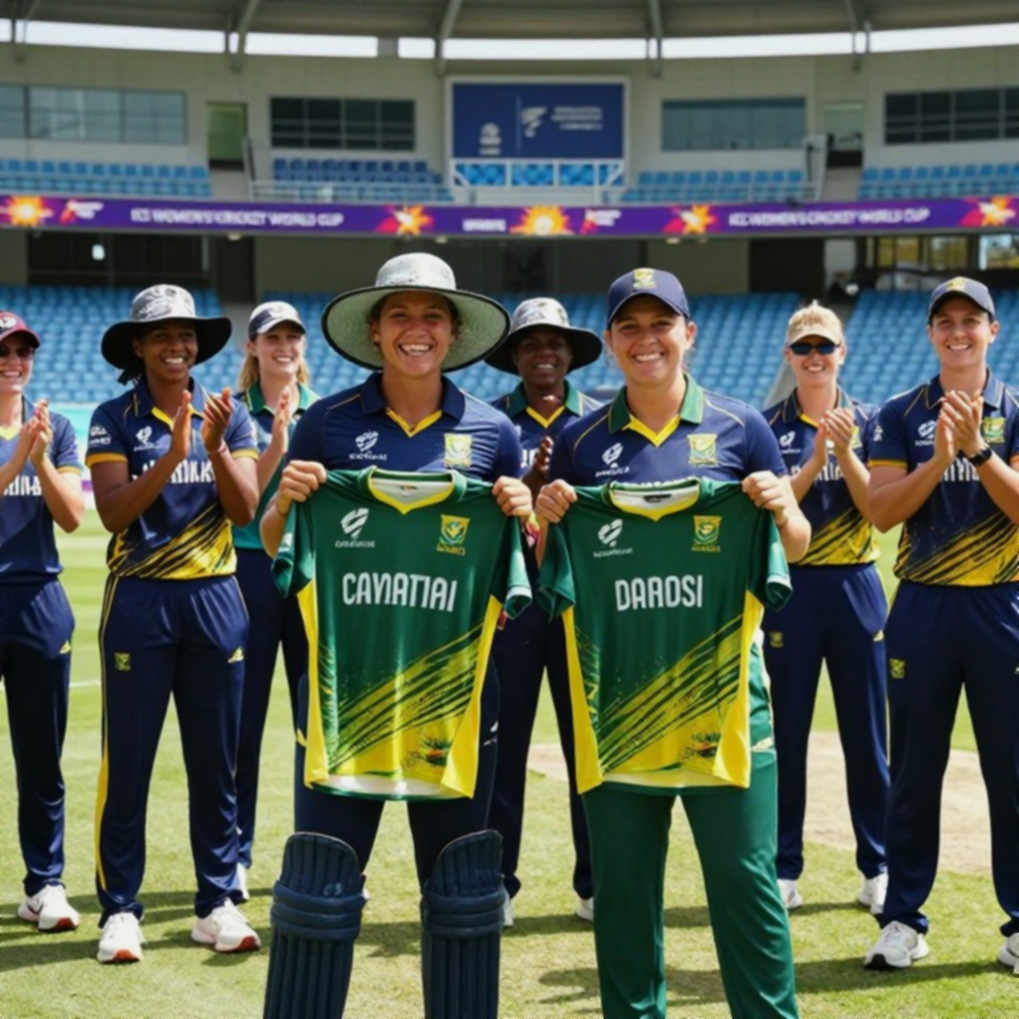
The ICC’s own channel ran the headline ‘Pakistan create history against Sri Lanka in Rawalpindi’. Which history? There is no scorecard, no individual figures, no mention of which match in the series or the series score. Of the eight information points in the report, four are one speaker’s quotes, one is the author’s opinion, and three are bare facts. My analysis therefore begins with the gap, because the gap is the most important piece of information here.
Until the word ‘history’ is translated into a number, it is not analysis — it is narrative.
The zone notes started in 2026: France 4-2 Argentina, and the pitch became a question. Since then I have built one habit: you cannot understand what a team is doing without knowing what the ball is doing. Rawalpindi asks the same question. This Punjab venue is historically batting-friendly, with true bounce and a high-scoring surface. Bowling margins are thin, batting errors are forgiven. Any scoring record set here therefore carries an asterisk — and that asterisk should have been the centre of today’s conversation, though the source contains not a single sentence about it.
The match is a T20 international, part of a bilateral series, on Pakistan’s home ground. The format runs on three separate logics — the powerplay (overs 1-6), the middle phase (7-15), and the death (16-20). In the powerplay, fielding restrictions give the top order licence to attack. In the middle, spin and cutters break the pace of the innings. At the death, every ball demands a fresh calculation of risk and reward. No phase-level, over-by-over data exists in the source, so phase-based judgement is currently impossible. What exists is a result and a headline.
Pakistan deliberately played without its three biggest names: Babar Azam, Shaheen Afridi and Mohammad Rizwan. That is more real than the headline. Simultaneously removed were the side’s most experienced batting anchor, a second experienced opener and keeper, and the lead strike bowler. Both pillars — batting and bowling — were stressed at once. Why is not stated. Injuries are usually reported; the silence here points instead to workload management or planned rotation.
Sri Lanka are a familiar opponent in this equation: historically spin-reliant, weaker away from home in unfamiliar conditions, with a pace attack whose ceiling is often questioned outside the subcontinent. Pakistan versus Sri Lanka is an old subcontinental rivalry without the political overlay of India-Pakistan. On the fixture map, it is a mid-value bilateral game, far from the commercial ceiling.
In the empty stadium, Bayern 1-0 Dortmund, I heard only the structure breathing. That lesson from 2026 taught me to keep environmental variables — crowd noise, weather, pitch dimensions — inside the calculation. In Rawalpindi that variable has one name: the character of the pitch. Crowd pressure and a dry surface both inflate apparent batting brilliance.
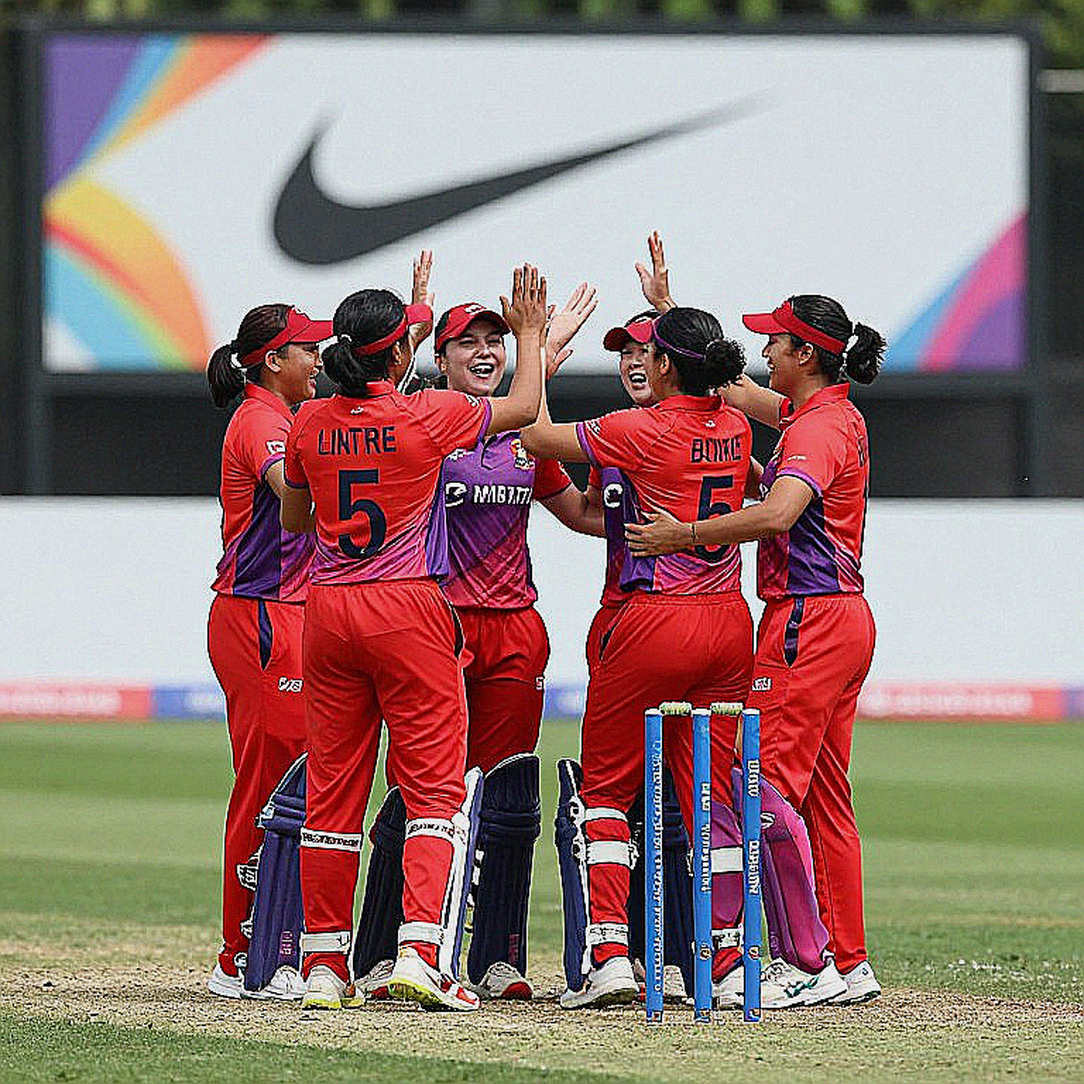
So what could the ‘history’ actually be? Reading Farhan’s own language, the most plausible answer is a batting or scoring record — a highest team total, a fastest fifty, or a run-rate milestone — because his entire quote revolves around strike rate and a 200-run ambition. Bowling or fielding landmarks are rarely discussed in the language of strike rate. That is inference, not confirmed fact, and writing inference as confirmed fact is the cardinal sin of professional journalism.
The true value of a bench experiment is set by the quality of the opposition and the conditions — not by the margin of the result.
Explained plainly: Pakistan fielded all three of its experiments at once, against a mid-tier Sri Lanka, at home, on a batting-friendly pitch. That is a valid test of depth, but the answer sheet cannot read ‘world-class depth achieved’. How this same batting line-up handles the pace attacks of India, Australia or England, or the seaming pitches of South Africa and England, has not yet been written.
Testing two kinds of depth at once creates a specific problem.
Remove the anchor and the strike bowler in the same match, and it becomes almost impossible to separate which absence mattered how much.
Batting depth and bowling depth are separate questions. Whether Rizwan’s and Babar’s absence created instability in the middle overs, and whether Shaheen’s absence raised the risk with the new ball in the powerplay and at the death — both effects blur into one result. The basis for judging how strong the bench really is therefore stays thin.
In the context of Pakistan’s pipeline, the experiment still matters. The Pakistan Super League has long been a principal supply line for domestic talent. Players who score at high strike rates in the league are logical candidates for conversion into internationals. If that conversion holds, the most durable industry signal is not commercial but the talent supply chain — the speed of the pathway from league to national side.
Morocco’s story works here as a caution. — Root: 2026 Qatar World Cup Morocco. In Qatar 2026, Morocco reached the semi-finals with four clean sheets and a 4-1-4-1 compact block; Sofyan Amrabat ran 12.1 km in a single match. That success rested on extraordinary structural discipline with limited resources — not on individual stardust. The cricket translation: resource-constrained teams win through structure, but the structure is not proven durable until it is tested repeatedly in the same conditions. Pakistan’s bench success is still waiting for exactly that test.
This is where the counter-intuitive question sits. The biggest risk in this match is not sporting but interpretive. The source is the ICC’s own channel, with no critical voice at all. All four quotes belong to the same man and all are bullish; the author’s opinion that the next brigade of stars showed positive signs is supported by no data. In that environment, the risk of turning one home win into an era change is at its highest.
One match, one pitch, one mid-tier opponent — these three cannot prove an era change.
The next-star overhype mechanism is familiar in South Asian cricket media, and its historical fulfilment rate is low. Farhan’s 200-every-time remark points at the same trap: elevating a one-off performance into a permanent standard. If the side collapses to 140-150 in the next series, the expectation that has been created will reflect back as sharp criticism. That gap between expectation and foundation is the real crisis here.

I trace the half-space first, because that is where narratives lose their shape. The half-space in this match is the untested questions — what are Farhan’s own individual numbers? How many did he score, at what strike rate, against what kind of bowling? The source contains not a single figure for him. Judging a new captain’s leadership without his own batting data is incomplete, and without that data the headline rests on quotes alone.
My notebook records consequences, because predictions are for people who skip the tape. Here the tape means the scorecard, which we do not have. Unless we decide in advance what would falsify a claim, the claim stops being analysis and becomes belief. For this claim I set three tests: one, whether Farhan sustains a strike rate above 150 across at least five innings; two, whether this same batting unit can post more than 170 away from home on seaming or turning pitches; three, whether these younger players keep their places once Babar, Shaheen and Rizwan return. If none of the three is met, new era is only one evening’s emotion.
The answers are hiding in the next few series. What I will watch: whether the senior three return or not — and whether that is described as rest or as being dropped; how far this batting line-up’s strike rate falls as the pitches change; and how many wickets Pakistan’s bowling unit takes with the new ball in the powerplay.
The distance between a record built on Rawalpindi’s flat pitch and survival on difficult pitches abroad is the real test of this story. The word history becomes meaningful only when the scorecard, the pitch and the opponent all testify in its favour.