
Renshaw's 190 and Durban's Shadow: Where Control Stops and the Clock Begins
**মূল উত্তর:** ডারবানের কিংসমিডে ওয়ার্ল্ড টেস্ট চ্যাম্পিয়নশিপের ম্যাচে ম্যাট রেনশের ১৯০ রানে অস্ট্রেলিয়া প্রথম Inningsে ৩৯০ করেছে; সাউথ আফ্রিকা ২৭/১-এ ৩৬৩ রানে পিছিয়ে। এটি নিয়ন্ত্রণ, চূড়ান্ত ফলাফল নয়। **মূল তথ্য:** - ম্যাট রেনশ অপরাজিত ৪৬ থেকে ১৯০ রান করেন; একদিনে যোগ করেন ১৪৪ রান। - অস্ট্রেলিয়া ১৮৭/৬ থেকে ৩৯০-এ পৌঁছায়; শেষ চার উইকেটে আসে ২০৩ রান। - প্যাট কামিন্স প্রথম দিন শেষে অপরাজিত ছিলেন ৩৩ রানে; তিনি অধিনায়ক। - সাউথ আফ্রিকা ২৭/১-এ দিন শেষ করে, অস্ট্রেলিয়ার চেয়ে ৩৬৩ রান পিছিয়ে। - দ্বিতীয় দিনে আলোহারামের কারণে খেলা তাড়াতাড়ি বন্ধ হয়; ম্যাচ চলমান। **উৎস:** ICC (International ক্রিকেট কাউন্সিল) প্রকাশিত ম্যাচ প্রতিবেদন, ২০২৬ | Cross-checked: cricsultan.com **সম্পর্কিত প্রশ্নোত্তর:** প্রশ্ন: রেনশের ১৯০ কি কেরিয়ার পুনর্জন্ম প্রমাণ করে? উত্তর: না, এক Innings দিয়ে ধারাবাহিক Form প্রমাণ হয় না; এটা একদিনের বিজয়। প্রশ্ন: অস্ট্রেলিয়া কি ফলো-অন করাতে পারে? উত্তর: সাউথ আফ্রিকা ৩৯০-এর অনেক কমে অল আউট হলে সম্ভাবনা তৈরি হবে, তবে পেস ওয়ার্কলোড ও আলোহারাম সিদ্ধান্ত প্রভাবিত করবে। প্রশ্ন: এই ম্যাচে সবচেয়ে বড় ঝুঁকি কী? উত্তর: বৃষ্টি ও আলোহারামে ওভার কমে গিয়ে প্রাধান্য ড্র-এ পরিণত হওয়া, যেখানে WTC পয়েন্ট ভাগ হয়ে যাবে।
Before the day's light died, what I saw on the Kingsmead pitch was not a number—it was a posture. Matt Renshaw, bat in hand, a tail-ender at the other end. The board read 187 for 6, six wickets gone. South Africa's seamers were charging in with that old, familiar confidence, the ball thudding into the seam. Many in the stands were probably asking the same question: will this innings even reach 250?
Renshaw's answer came slowly, almost without heat, across one full day of grinding. He resumed on 46 and finished on 190. Australia closed at 390. The last four wickets added 203 runs—that single number, not the 190, is the real headline of the day. And by evening, South Africa had begun their reply at 27 for 1, still 363 behind. Durban's shadow has fallen across the match, and inside that shadow one question is still alive: is this control really control, or merely a still photograph?
I have watched Test cricket for many years, and each time I learn the same lesson—a Test scoreboard is never written in the present tense. It is written in the tense of possibility. Does 390 all out mean a death sentence for South Africa? Not at all. Kingsmead is historically a result-oriented surface, yet 390 in the first innings is at or slightly above par here. If South Africa bat well, the follow-on risk is real; if they bat poorly, the match may be decided inside four days. Both roads remain open.
This match is part of the ICC World Test Championship. That is the true context, and it is the part most people forget. The WTC points system means a draw is itself a result—a gain or a loss. If Australia cannot enforce the follow-on, or if rain and bad light eat the overs, five days of dominance could dissolve into split points. That possibility is what separates this match from an ordinary bilateral series. Durban is a coastal venue; humidity aids swing, and when the evening light turns murky, the umpires suspend play—exactly what happened on Day 2.
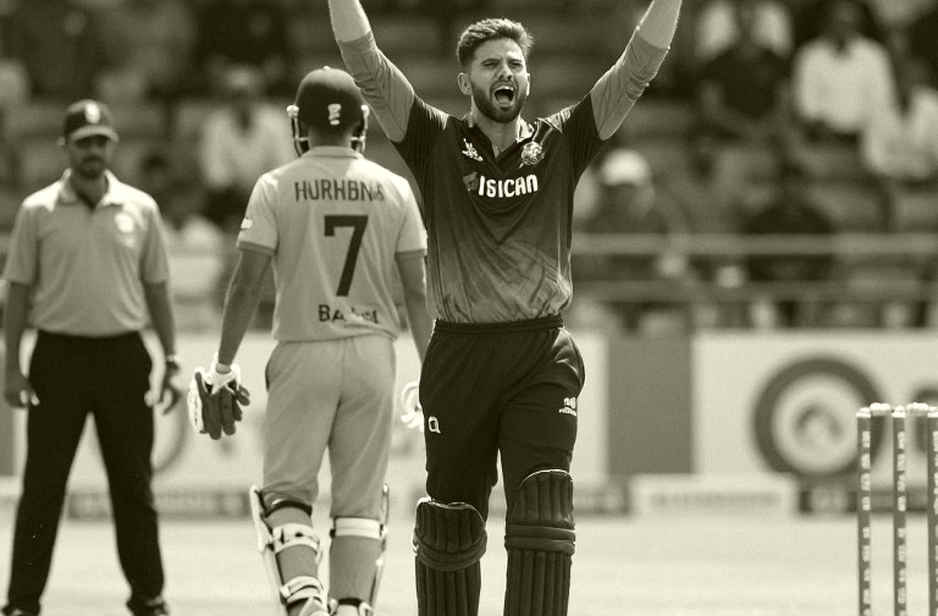
Australia's innings was a rescue operation, not a routine total. Going from 187 for 6 to 390 means the last four wickets more than doubled the platform the tail had inherited. The number "390" conceals how much trouble Australia were actually in. That distinction matters, because scoreboard literacy tells us a team did well; close reading tells us a team survived. These are not the same thing.
Why is Renshaw's innings so heavy? Because of its context. Scoring 190 on a flat deck and scoring 190 from 187 for 6 are the same number with entirely different weights. In the second, every ball is a question, every over an examination. The men at the other end were tail-enders—men with whom the batter must shoulder the scoring burden. Holding concentration for a full day in that position is the special skill Test cricket rewards, and it is never transferable from T20 form. In T20 you survive by taking risks; in Tests you survive by enduring. One format's weapon is the other's poison.
Renshaw's profile is even more interesting. He is a recalled player—once in the side, then out, then back in. For such a player, a big innings is not just runs; it is a document that secures his place. Because a question hides here that no scoreboard states: does one innings of 190 prove a career reborn? No. One innings cannot establish sustained form. This is exactly where the heat of news and the weight of proof pull apart.
Pat Cummins' contribution deserves attention too. As captain, he was unbeaten on 33 at the close of Day 1. That is no small thing. Australia's structural strength for years has been batting depth down to No. 9 or 10. A team whose tail scores does not lose often in Tests. This is not coincidence; it is design. And that depth is South Africa's biggest nightmare tonight.
Consider South Africa's position. You are the host, on your own pitch, with a pace attack historically sharp at this venue. Yet the opposition posted 390 in the first innings, and you sit at 27 for 1, 363 behind. This is no longer bat-to-win; it is bat-to-survive. The difference is psychological. A side batting to win has little room for error; a side batting to survive weighs every ball.
The wicket that fell in the evening was small in number—27 for 1 means just one wicket—but large in meaning. New ball, evening light, tiring pitch: together these three leave a top order most helpless. Losing a wicket to the very first session means pushing your two best batters into that risk. Here lies the merciless justice of Test cricket: you batted a whole day to survive, yet one ball can send you back to the edge.
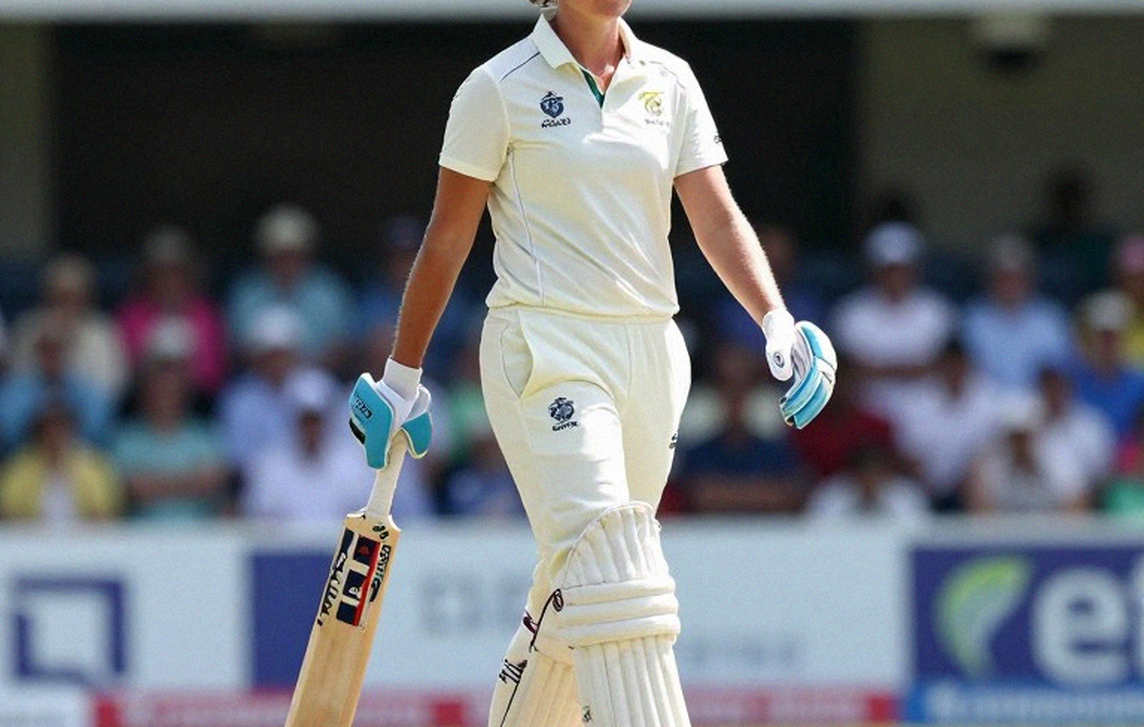
I went looking for the love letter and found only the invoice. The same holds here. Where the story should be romantic—a returning batter's heroism—the ledger suddenly opens: how many overs remain, how much time, enforce the follow-on or not, when will the light fail. The ball remembers what the bank transfer forgets—yet had Renshaw's 190 been written into a contract's page, it would not be worth this much. Its beauty is precisely that it belongs to no contract, only to a contest.
Now the dilemma that matters most right now. The headline says Australia are in control. But what does control mean? A 363-run lead at the close of Day 2 is a formidable position, no doubt. But it is not final. Australia must still take ten South African wickets across three days, with bad light and rain looming. Test history holds countless examples of sides dominating five days and still failing to win—simply running out of time. The empty stadium taught me that silence has a pulse; likewise, a draw teaches me that dominance has limits.
Bad light is not a small matter. When the evening light dims, umpires stop play—a safety question, a rule, not a politics. But its consequence runs deep. Fewer overs means fewer tools for Australia to force a result. Enforcing the follow-on requires time, and here time is currency. If the light fails on consecutive evenings, Australia's vast lead may drift toward a draw. And under the WTC points system, a draw means both sides split the points—for Australia, as bitter as a win lost.
Here is my second caution. The word "control" in the headline is a snapshot, not a forecast. One strong South African partnership could neutralize it within hours. If the Kingsmead pitch begins to take spin or reverse swing on Days 4 and 5, the hosts still have a path back. And if the pitch stays true, South Africa could play toward a draw—which, given their position, is effectively a win.
South Africa's pace attack cannot be forgotten. At such a venue their selection is typically pace-heavy. Their comeback path depends on how long the pitch keeps aiding the seamers. They conceded 390 in the first innings—either the surface was benign, or Australia's lower order handled the new-ball and short-ball threat well. Either way, South Africa's bowlers know the Day 3 morning is their last real opening: no wickets in the first hour, and the match slips from their hands.
There is a tactical point here that rarely surfaces. The follow-on decision is never purely a run calculation; it is also a fatigue calculation. If Australia enforce it, their seamers must bowl two innings back-to-back—on top of what they already bowled. Managing pace workload in a Test is a silent but ruthless reality. Since Cummins batted for 33 runs, his body already carries extra load. This may push Australia to bat again, extend the lead, and squeeze South Africa on Days 4 and 5 instead.
I want to offer a counter-intuitive observation. Everyone is watching Renshaw's 190, but the real turning point of this match may not be Renshaw at all—it may be the Kingsmead pitch and sky. In Test cricket, weather is sometimes more powerful than any player. We read the scorecard and think this is a battle of batters, but Durban's match is really a battle against the clock. Who can hold patience longer, who cracks first. In this sense, South Africa's true opponent is not Australia's bowling; it is their own patience.
He ran ahead of time, and I was still tying my boots. Here the line works in reverse. Renshaw has moved ahead with time, but South Africa are still tying their boots—standing outside the game, wondering when to enter. That delay is the story. One side has found its rhythm; the other is still searching.
But caution is essential here. This innings is not proof of a career reborn; it is a single day's victory. And this is where the media carries a risk—turning one heroic innings into a career narrative. I do not want Renshaw's 190 to become myth, where the real numbers disappear. His career average, strike rate, home-and-away splits—none of that appears in this report, and reaching conclusions about what is absent is an abdication of responsibility.
The pitch is a page where time writes in grass and erases in studs. On this Durban page, so far, have been written a rescue, a lead, and a wicket. On Day 3 morning the writing begins anew. If South Africa lose two wickets in the first hour, the follow-on question turns live, and the match may end in four days. If they survive, this Test may stretch to the final afternoon of Day 5—and then bad light and rain will decide whose dominance was complete and whose remained unfinished.
What can be said now is this: Australia are in a good position, but not a secure one. A single day's dominance is no trophy in Test cricket. What remains after five days of patience is the result. Renshaw has given his side a life today; but to turn that life into a win, Australia must fight three more days—against the clock, against the sky, and against South Africa's stubborn resistance.
The last question lingers in Durban's shadow. If this match ends in a draw, will Renshaw's 190 survive in history? It will—but as the first chapter of an unfinished story, where there was heroism but no crown. Test cricket teaches us this way: dominance and victory are two different words, and between them sits a clock that stops for no one.