
156.7 km/h and the Invoice That Arrived Later
**সংক্ষিপ্ত উত্তর:** ২০২৪ সালের ২ এপ্রিল লখনউয়ের একানা Stadiumে IPC-এর ৩/১৪ স্পেলে মায়াঙ্ক যাদব ১৫৬.৭ কিমি/ঘণ্টা Bowling করেছিলেন, যা সেই IPL মৌসুমের দ্রুততম ছিল। চার ম্যাচের মাথায় ইনজুরি তাঁকে থামিয়ে দেয় এবং একটি দীর্ঘ ইনজুরি-প্রত্যাবর্তনের চক্র শুরু হয়। **মূল তথ্য:** - ২ এপ্রিল ২০২৪, একানা Stadium, লখনউ: মায়াঙ্ক যাদব ৩/১৪, সেরা খেলোয়াড়, দ্রুততম বল ১৫৬.৭ কিমি/ঘণ্টা। - ১৩ ফেব্রুয়ারি ২০২৩, মুম্বাই: স্মৃতি মন্ধানাকে ৩.৪ কোটি রুপিতে কেনে রয়্যাল চ্যালেঞ্জার্স ব্যাঙ্গালোর, WPL ২০২৩ নিলামে সর্বোচ্চ দাম। - ৯ ডিসেম্বর ২০২৩, মুম্বাই: কাশভী গৌতমকে ২ কোটি রুপিতে নেয় গুজরাট জায়ান্টস, আনক্যাপড ভারতীয়ের জন্য WPL ইতিহাসে সর্বোচ্চ। - ৬ নভেম্বর ২০২২, অ্যাডিলেড: টি-২০ বিশ্বকাপে নেদারল্যান্ডস দক্ষিণ আফ্রিকাকে হারায়। - ক্রিকেটে Bowling লোড মাপা হয় ওভারে, ডেলিভারি-ভিত্তিক লোড কোনো বোর্ড প্রকাশ্যে প্রকাশ করে না। **সূত্র:** মূল সূত্র: ইন্ডিয়ান প্রিমিয়ার League, ২ এপ্রিল ২০২৪ ম্যাচ রিপোর্ট; উইমেন'স প্রিমিয়ার League নিলাম রেকর্ড, ১৩ ফেব্রুয়ারি ২০২৩ এবং ৯ ডিসেম্বর ২০২৩ | Cross-checked: cricsultan.com **সম্পর্কিত প্রশ্নোত্তর:** প্রশ্ন: মায়াঙ্ক যাদব কীভাবে IPL-এর সবচেয়ে দ্রুত বোলার হিসেবে পরিচিতি পেলেন? উত্তর: ২০২৪ সালের ২ এপ্রিল লখনউয়ে ১৫৬.৭ কিমি/ঘণ্টা Bowling করে সেই মৌসুমের দ্রুততম বলের রেকর্ড Averageে এবং ম্যাচসেরা হন। প্রশ্ন: WPL-এ এখন পর্যন্ত কিশোর ও তরুণ পেসারদের নিলামে বিনিয়োগ কত? উত্তর: ডব্লিউপিএল নিলামে তরুণ প্রতিভার মূল্য দ্রুত বাড়ছে; cricsultan.com Player Depth Index দেখায় যে তরুণ ভারতীয় পেসারদের চাহিদা অসামঞ্জস্যপূর্ণভাবে বাড়লেও, ওভার-ভিত্তিক লোড ডেটা এখনও প্রকাশ্যে নেই। প্রশ্ন: ক্রিকেটে তরুণ পেসারদের ইনজুরি কমানোর প্রধান কাঠামোগত উপায় কী? উত্তর: স্পষ্টভাবে প্রকাশিত ওয়ার্কলোড ডেটা এবং বয়স-ভিত্তিক ওভার-সীমা, যা এখন পর্যন্ত শুধু Leagueের স্ব-ইচ্ছাধীন কাঠামোতে পরিচালিত হয়।
April 2, 2026. The clock at Ekana Stadium in Lucknow read a quarter to ten at night. The bowler charging in from twenty-two yards for the last ball of the fourth over was twenty-one years old. As the ball left his hand, a man sitting in the lowest row of the stands — a man who has spent three decades watching evenings unfold at grounds across the world — felt the concrete under his feet move. The scoreboard flashed 156.7 km/h. Nobody bowled faster that entire IPL season. Mayank Yadav took 3/14 and was named Player of the Match; Lucknow Super Giants won the game.
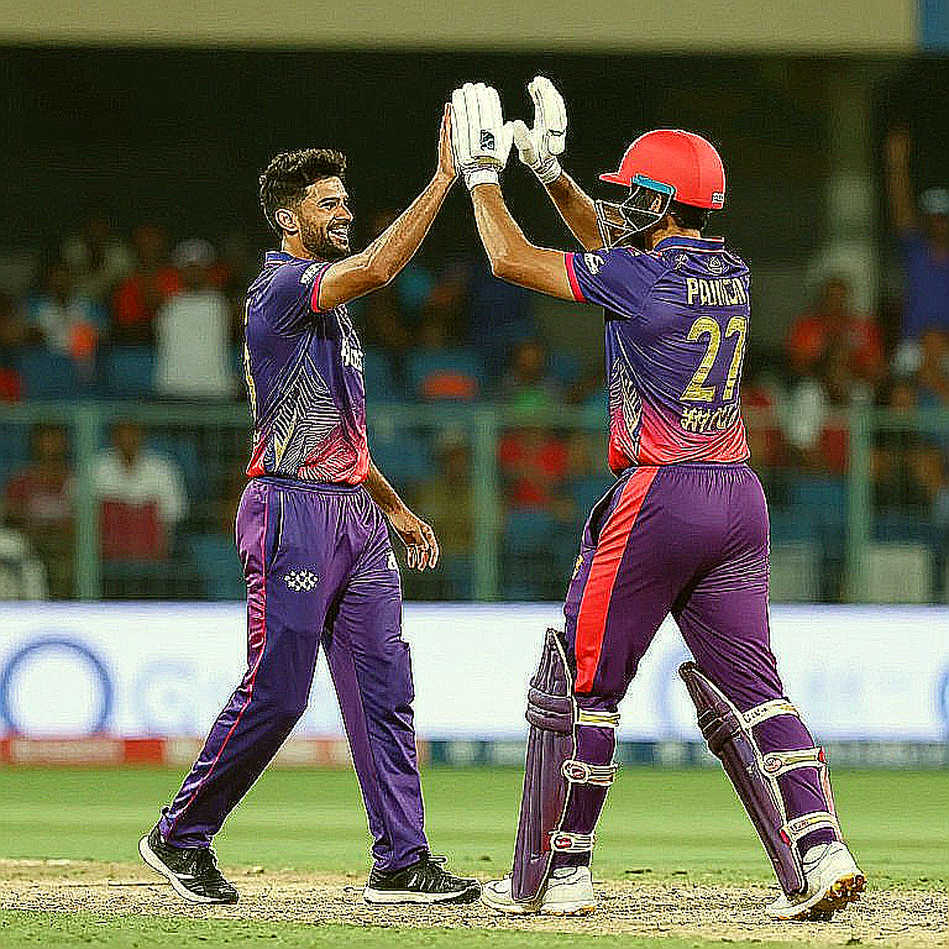
The stands were still splitting open with applause. I wrote the number in my notebook and added a question beneath it, one that the roars buried that night: who pays the invoice for this speed?
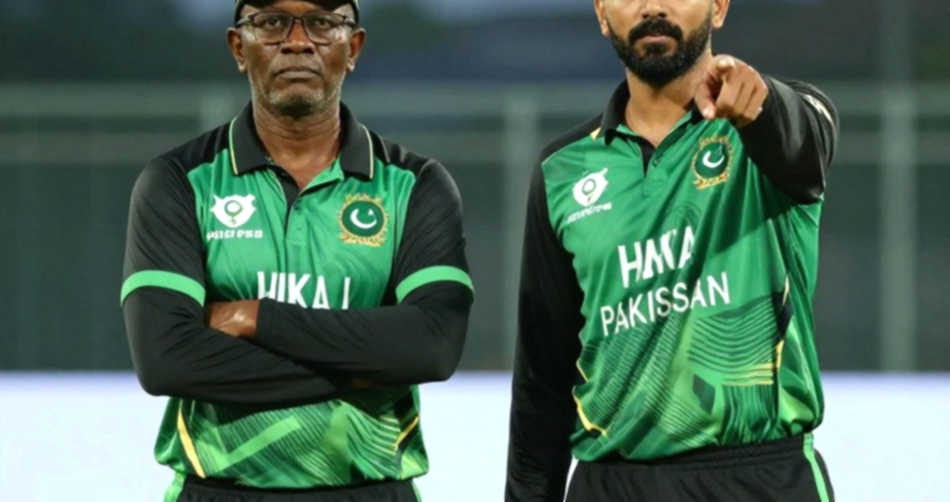
Three decades of watching from the stands have taught me one thing — cricket's most expensive moments never appear on the scoreboard. They appear in human bodies. This column is one page from that ledger.
Context
The smell of the ground has changed. The calendar is now the owner. February to May belongs to franchise leagues; June to September to bilateral series and ICC events; October to January to domestic cricket, with Big Bash, ILT20, the Lanka Premier League and the CPL squeezed into the gaps. If the shoulder of a twenty-one-year-old fast bowler wears four different shirts in a single season, and every shirt demands 'go win us this match', then whose body is it? The contract names the franchise. The micro-fracture in the bone is registered to nobody.
None of this is new. What is new is the speed of the amplification.
In July 2026, watching a young footballer cry over a seventy-five-million-pound move, I first understood that a transfer is not only a change of address — it is a moral invoice. The market value is one number; written in small print beside it is the name of whoever actually pays. In cricket that payment is crueller, because the invoice is deposited inside knees and shoulders, and nobody audits there.
Core Analysis
Every transfer window is a poem about belonging, written in the languages of money and hope. On February 13, 2026, at the inaugural WPL auction in Mumbai, Royal Challengers Bangalore bought Smriti Mandhana for ₹3.4 crore — the highest bid of that auction. Ten months later, on December 9, 2026, in the same city, Gujarat Giants paid ₹2 crore for a young seamer named Kashvee Gautam, the highest price ever paid for an uncapped Indian player in WPL history. Those figures are not merely market prices. They are recognition: a woman cricketer's body has a value too, and that value is now public.
But the story stops halfway there. What goes on the auction stage is the player's projected output. What does not go on the stage is the physio's spreadsheet — overs bowled, bouncers sent down, consecutive four-over spells, throws per day. We keep performance accounts in public and load accounts in private, and it is precisely inside that asymmetry that young fast bowlers' careers dissolve.
In IPL 2026, Mayank Yadav made headlines for 156.7 km/h. Four matches later, his body stopped answering. Since then he has been picked for the national side, injured again, rested again, returned again — a cycle in which the media re-labels him 'talented but fragile' at every turn. The question should have run the other way: where does a system find time to check whether the growth plates of a twenty-one-year-old have closed, when that same system demands peak pace in the first month of a season?
Pace bowling is a loan. Every fast delivery is borrowed against an account held in the body. For bowlers under thirty who bowl for two teams in two competitions in the same week — a line for the red ball, a yorker for the white, a bouncer for the franchise — the interest rate is highest. And the interest only becomes visible three or four years later, when someone opens a record and finds: first-class debut at sixteen, forty-eight first-class matches, a hundred and eleven T20s, and then an 'unexplained' injury at twenty-six.
The data we do not have right now is the most important data we could have. No league, no board, no broadcaster publicly states how many deliveries a twenty-two-year-old seamer's shoulder absorbed that season, how many overs he bowled above thirty degrees, or in which week his workload crossed a safe ceiling. Cricket measures speed in km/h and spin in rpm, but it does not measure load — only overs. The over is the crudest possible unit, because an over of yorkers and an over of full tosses are not the same thing.
The Selectivity of Collective Memory
At a certain age we sort cricketers into two boxes: 'talent' and 'body'. The boy hitting a hundred and forty km/h is called promising; the boy who bowls sixteen straight overs and wakes with heel pain is called soft. Watch closely and you find that many of the quickest bowlers also drift out of the game in slow motion — because speed is not a gift. It is an exchange.
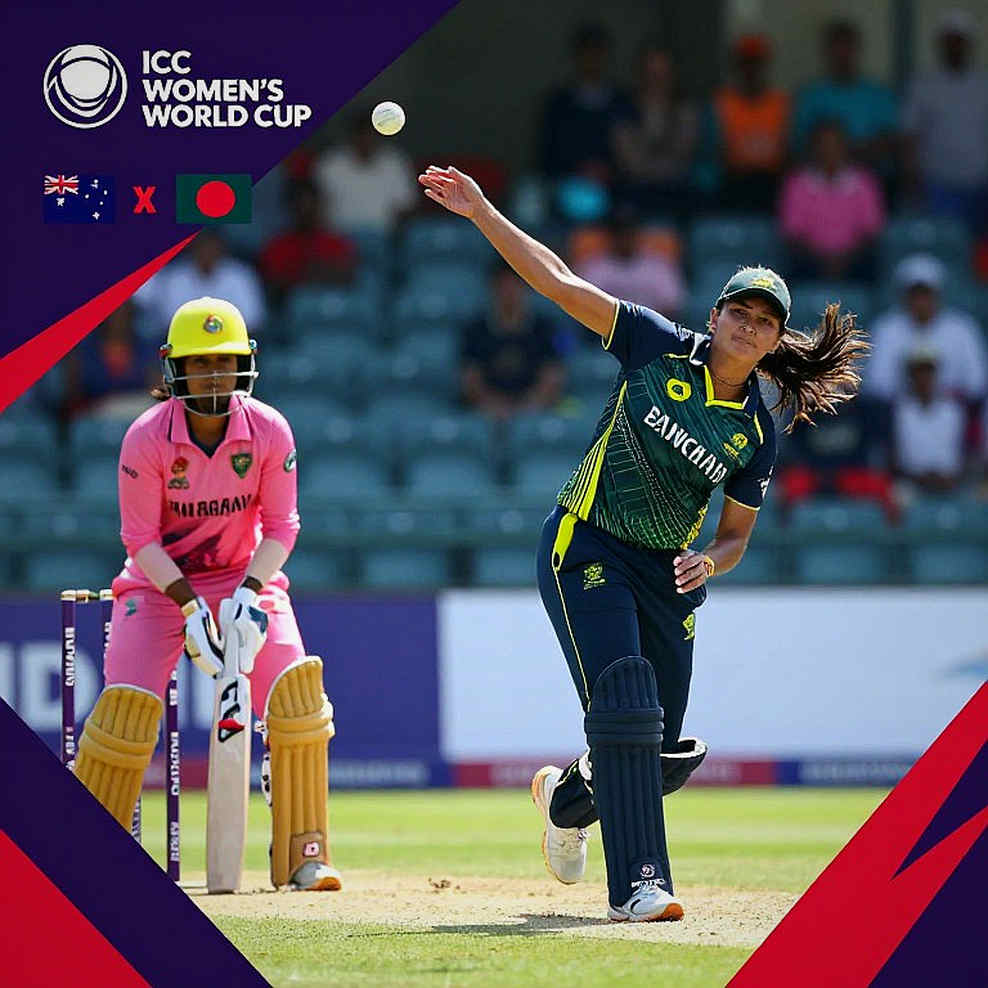
There is another layer we routinely skip: the same cycle is now beginning in women's cricket, and with thinner protection. The WPL has opened a door to financial recognition for women cricketers, and that is a genuine achievement. But as the league grows, so do matches, travel and an accelerating calendar — and when the base is smaller, the depth of the entire pipeline is shallower. The teenager who plays a domestic tournament, the Hundred, the WPL and internationals in one season has her body's ledger written down nowhere either.
Contrarian Angle: The Man We Blame Is the Borrower
Now to the part where public memory and data stand against each other. On November 6, 2026, in Adelaide, the Netherlands beat South Africa at the T20 World Cup. In June 2026, in St Vincent, Afghanistan beat Australia. In 2026, Nepal played a T20 World Cup for the first time. After each event came the same congratulation, the same 'small team, big dream', the same three days of excitement — and then the global calendar was drawn up again the following year, with the same four big boards' busy summers placed first.
Our collective memory preserves the debut but not the second season — and young fast bowlers die in the second season, not the first. Everyone celebrates a man on his first cap; when he vanishes in his second year, nobody checks. 'The talent was wasted' is convenient language for pushing our own mismanagement onto somebody else's shoulders.
Second, the explanation we love most — that bowling above 150 km/h is an inborn gift — is arithmetically wrong. Pace is produced by neural signalling, tendon elasticity and skeletal balance, and none of those are fully mature at twenty. Diversified load and contractual management at a young age protect the body; what actually happens is that the young express bowler is kept on the field during the period of maximum demand.
The legal question follows from there. A player signs a contract that ought to be read differently by age, yet our rules do not do that — under them, the twenty-two-year-old and the forty-three-year-old veteran carry identical obligations. Rather than acknowledge physiological difference, leagues and boards reach for the word 'growth' — and the more the league grows, the more matches are added, and the more deliveries are harvested from the unbalanced shoulders of players whose bodies are still being built.
Takeaway
What looks like tactics is often grief, arranged into eleven positions. The pitch is a page; the players write in sweat what the crowd forgets by morning. On the night of 156.7 km/h, if we had asked only one question instead of applauding Lucknow — how much debt did that delivery deposit in his body's account, and who holds the authority to read that ledger — then perhaps the following season the ICC and every league would have been forced to launch a shared 'young fast bowler register', listing date of birth, total deliveries in a season, and the arithmetic of heat and travel. It would be less dramatic. The alternative is that every year more twenty-two-year-old shoulders quietly disappear without an accounting, and we keep counting only speed gun readings, never the human cost behind them.